Explore the Universe of Fair Trade Tea: Superior Brews That Advance Sustainable Practices
Fair Trade tea exemplifies a harmonious fusion of quality and ethics. Each cup offers a singular taste character while nurturing sustainable farming practices. This avenue not only betters the tea experience but also raises underserved farming communities. Acknowledging its heritage and accreditation systems unearths additional significance of weight. As consumers become more deliberate about their choices, the impact of Fair Trade tea moves beyond taste. What supports the veneer of these choices?
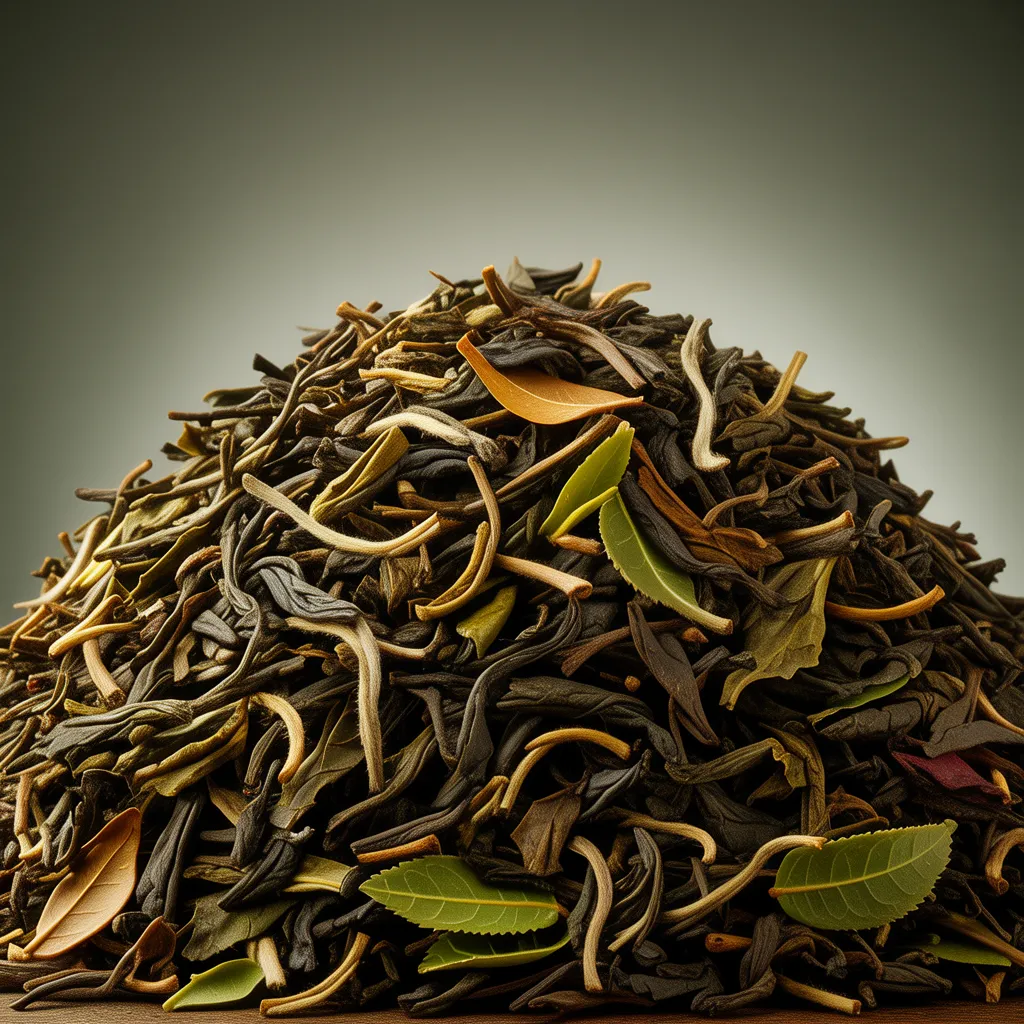
Discover the Roots of Fair Trade Tea
Fair Trade tea has its origins to the socioeconomic movements designed to improve the livelihoods of disadvantaged farmers. Emerging in the late 20th century, this initiative sought to address disparities in international commerce, especially in developing countries where tea is often grown. The initiative gained traction as consumers became increasingly aware of the harsh realities experienced by independent growers, including unjust prices and abuse by major companies.
Through cooperative structures, Fair Trade worked to empower these farmers, ensuring they received fair payment and support for eco-friendly agricultural methods. The movement also focused on promoting environmental responsibility, encouraging organic farming and biodiversity. As knowledge increased, Fair Trade tea became a symbol of responsible purchasing, linking consumers directly with the origins of their beverages. By selecting Fair Trade tea, individuals contribute to a larger goal of social justice and economic equity, fostering a more sustainable future for tea-growing communities.
Learn about ethical trade standards for eco-friendly practices
Recognizing Fair Trade certification is imperative to understanding how sustainable practices are upheld within the tea industry. This certification validates that producers receive fair wages and work under safe conditions, which directly fosters community development. Fair Trade standards champion environmentally sustainable farming methods, reducing the use of harmful chemicals and encouraging biodiversity.
Certification fosters transparency in the distribution network, permitting consumers to track their tea back to its source. By following these standards, farms undertake methods that protect environmental assets and support local environments. Additionally, Fair Trade groups often provide learning materials and training to farmers, empowering them to improve their farming techniques and financial security.
In the final analysis, Fair Trade certification improves the quality of tea while aligning purchasing choices with principled and eco-conscious beliefs, establishing it as an indispensable feature of the tea industry's devotion to social accountability and ecological stewardship.
Explore Best Types of Fair Trade Tea
While many tea enthusiasts appreciate the complex tastes and scents of various brews, exploring the top varieties of Fair Trade tea reveals a deeper dedication to responsible practices and environmental care. Some popular options include Fair Trade Assam, known for its strong, grain-forward flavor, and Fair Trade Darjeeling, often called as the "Champagne of teas" for its subtle flower-like characteristics. Another significant variety is Fair Trade Earl Grey, infused with bergamot, offering a distinctive citrusy flavor.
Furthermore, Fair Trade Green Tea, celebrated for its energizing qualities and health benefits, is increasingly preferred among health-conscious consumers. Herbal blends, such as Fair Trade Chamomile and Peppermint, also stand out, providing soothing and calming effects. Each of these varieties not only delivers exceptional flavor but also supports farmers and communities working for better livelihoods, making them a responsible choice for tea lovers seeking quality and ethical assurance.
Brewing Fair Trade Tea: Tips for a Perfect Cup
To craft the perfect cup of Fair Trade tea, precision is necessary, since the correct techniques can boost the tea's special notes and smells. Initially, water quality is fundamental; using spring water ensures a pure flavor that lets the tea's characteristics stand out. The water temperature is equally essential; various tea kinds require precise temperatures; black tea needs boiling water and cooler heat is ideal for green or herbal varieties.
Subsequently, the brewing duration must be carefully followed. Oversteeping can lead to a bitter taste, while insufficient steeping may not draw out the full flavor profile. A standard recommendation is 3-5 minutes for black tea and 2-3 minutes for green tea.
Ultimately, applying the right balance of tea to water boosts the taste; one teaspoon of loose tea per cup is a excellent beginning. By following these recommendations, tea aficionados can fully appreciate the extensive variety of Fair Trade tea.
Ecological Effects of Fair Trade Tea
Brewing Fair Trade tea not only improves the tea experience but also promotes eco-friendly farming methods that benefit the environment. Fair Trade accreditation motivates farmers to use natural cultivation techniques, which reduce the dependence on damaging chemicals and synthetic inputs. This method fosters species diversity, aiding in the protection of local ecosystems and protect animal sanctuaries.
Moreover, Fair Trade practices often stress soil health and water conservation, ensuring that tea cultivation does not deplete essential resources. By supporting small-scale farmers, Fair Trade also promotes agroforestry, which blends tea cultivation with other crops and trees, further enhancing environmental resilience.
Moreover, Fair Trade tea frequently includes environmentally friendly packaging and transportation methods, minimizing the carbon footprint linked to its distribution. Overall, choosing Fair Trade tea demonstrates a deliberate commitment to foster a more sustainable agricultural system that honors both the Earth and its people.

Your Tea Selection Helps Uplift Global Populations
Embracing Fair Trade tea aids communities globally by supplying producers with equitable wages and superior labor practices. This obligation assures that tea producers can sustain their ways of living while channeling resources in their families and local economies. By acquiring Fair Trade tea, patrons facilitate the establishment of necessary local services, including instruction and medical care.
Fair Trade accreditation encourages ethical practices, demanding companies to adhere to standards that emphasize employee protections and environmental sustainability. As a result, farmers are incentivized to cultivate high-quality tea, which not just enhances their income but also creates pride in their work.
Moreover, the direct trade associations set up through Fair Trade eliminate oppressive middlemen, allowing farmers to link with consumers worldwide. This visibility develops trust and encourages a global esteem for the cultural meaning of tea. Ultimately, each cup of Fair Trade tea represents a reminder of the positive impact individuals can have on global communities through mindful consumption.
Frequently Asked Questions
Where Can I Locate Fair Trade Tea Products and How Do I Verify Them in Retail Locations?
To locate sustainably produced tea options in stores, one should look for verified badges, such as Fair Trade Certified or Rainforest Alliance. Additionally, researching companies committed to ethical sourcing can enable purchasing responsibly.
What Medical Advantages Are Associated With Fair Trade Tea?
Fair trade tea may offer multiple wellness advantages, with heart-enhancing antioxidants, improved digestive function, and sharper mental clarity. Additionally, conscientious sourcing practices strengthen sustainable farming methods, ultimately supporting a stronger ecosystem and enhanced community health.
Is it Easy to Discover Ethically Sourced Tea Via Digital Shopping Platforms?
Yes, fair trade tea is widely available in digital platforms. Numerous retailers stock a diverse range of product options, ensuring consumers can quickly locate responsible alternatives that advance related article both eco-friendly practices and fair labor practices.
In What Ways Does Fair Trade Tea Affect Local Economies?
Fair trade tea positively impacts local economies by providing farmers with fair wages, fostering community development, and encouraging sustainable farming practices. This support enhances livelihoods, promotes economic stability, and empowers communities to invest in education and healthcare.
What's the Top Way to Keep Fair Trade Tea for Maximum Freshness?
To maximize freshness, fair trade tea should be stored in an airtight container, away from light, moisture, and strong odors. Keeping it in a cool, dark place helps protect its flavor and aroma over time.